
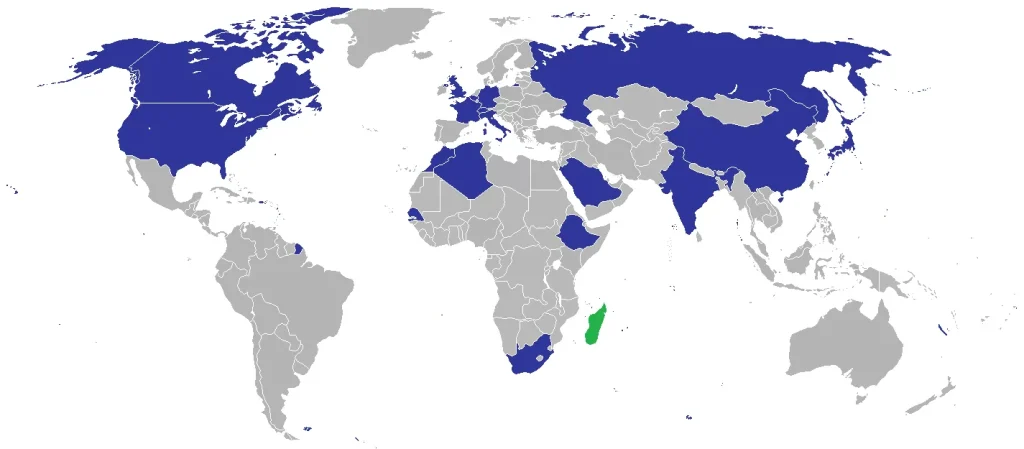
Foreign Relations of Madagascar
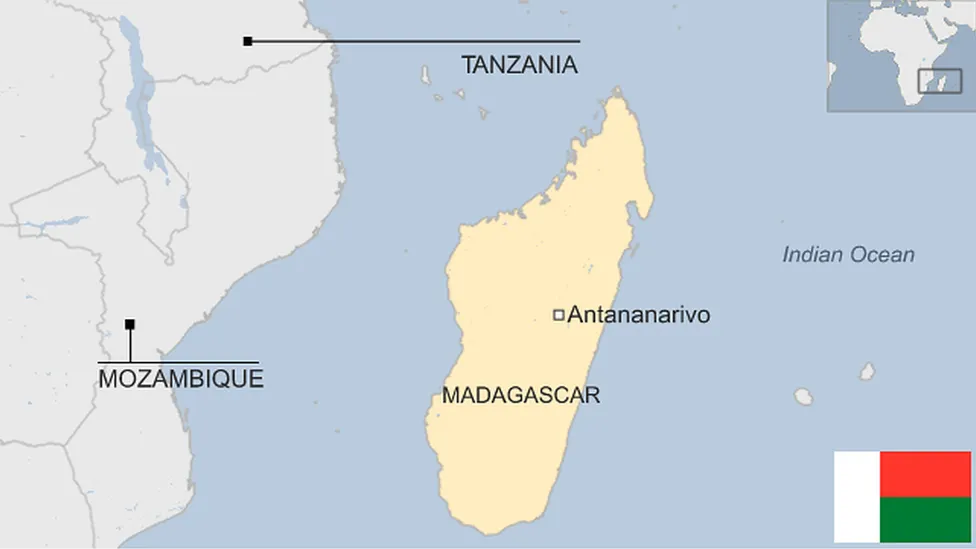
Madagascar, the fourth largest island in the world, located off the southeastern coast of Africa, presents a unique case in the annals of international diplomacy and foreign relations. With a population of approximately 28 million people, its strategic geographical position and rich biodiversity make it an important player in regional and global affairs. This essay seeks to explore the foreign relations of Madagascar, examining its historical context, key partnerships, challenges, and its roles within regional and international organizations.
Historical Context
The foreign relations of Madagascar have been shaped significantly by its colonial history. The island was a French colony from 1896 until it gained independence on June 26, 1960. This colonial past established a framework of connections that would influence its post-independence foreign policy. Initially, Madagascar maintained a strong relationship with France, which provided economic aid and investment in return for political influence. However, the desire for sovereignty and self-determination saw Madagascar navigate away from its colonial ties, establishing relationships with other nations.
The period of the Cold War further complicated Madagascar’s foreign relations as the island became a potential stage for geopolitical competition between the United States and the Soviet Union. Madagascar sought to position itself as a non-aligned state, cultivating relationships across both blocs while advocating for African unity.
Diplomatic Engagements
Over the decades, Madagascar has established diplomatic relations with numerous countries across the globe. Its foreign policy is characterized by a commitment to multilateralism and regional cooperation. Madagascar is a member of several international organizations, including the United Nations (UN), African Union (AU), and the Southern African Development Community (SADC).
- Regional Cooperation: Within the African Union, Madagascar plays a vital role in promoting peace and stability in the region. Its involvement in the Organization of African Unity (OAU), the predecessor to the AU, reflected its commitment to regional integration. Madagascar has engaged in various peacekeeping missions across the continent, showcasing its role as a stabilizing force in East and Southern Africa.
- Bilateral Relationships: Apart from its regional engagements, Madagascar has pursued bilateral relationships with countries such as Japan, China, and the United States. These relationships often center around developmental aid, trade, and investment. Notably, Japan has supported Madagascar in various sectors, including infrastructure and education, through its Official Development Assistance (ODA).
- Economic Relations: The foreign relations of Madagascar are also significantly influenced by its economic needs. The island is rich in natural resources, including minerals, agriculture, and unique biodiversity. Consequently, foreign investment in these sectors is crucial. China and the United States have proposed various initiatives aimed at tapping Madagascar’s resources, driving both economic growth and international cooperation.
- Environmental Diplomacy: Madagascar’s rich biodiversity makes it a focal point for environmental issues on global platforms. The nation is noteworthy for its unique ecosystems and high levels of endemism. As a result, it has participated actively in international environmental agreements, such as the Convention on Biological Diversity (CBD). Madagascar has also been involved in negotiations surrounding climate change, positioning itself as a voice for vulnerable island states facing existential threats.
Challenges in Foreign Relations
Despite these positive engagements, Madagascar faces several challenges in its foreign relations. Political instability has historically been a recurrent theme. Periods of unrest, such as the political crisis that began in 2009, significantly affected foreign investments and the legitimacy of its international dealings. The crisis raised concerns regarding governance, the rule of law, and human rights, leading to a suspension from the African Union and other regional entities.
Moreover, the economic dependence on foreign aid has posed a double-edged sword. While it provides critical financial assistance, it can also undermine domestic policy-making and create challenges in developing a self-sustaining economy. This dependency on external actors often complicates Madagascar’s foreign relations, as it must balance the expectations of donor countries with the needs of its population.
Madagascar in Global Context
Madagascar’s foreign relations also reflect larger global trends, particularly concerning the increasing influence of emerging economies. The rise of China as a global power has been particularly influential in Madagascar, as Chinese investments have increased significantly in recent years. This has led to discussions around neo-colonialism, with critics arguing that reliance on Chinese investments may exacerbate existing economic issues without fostering sustainable development.
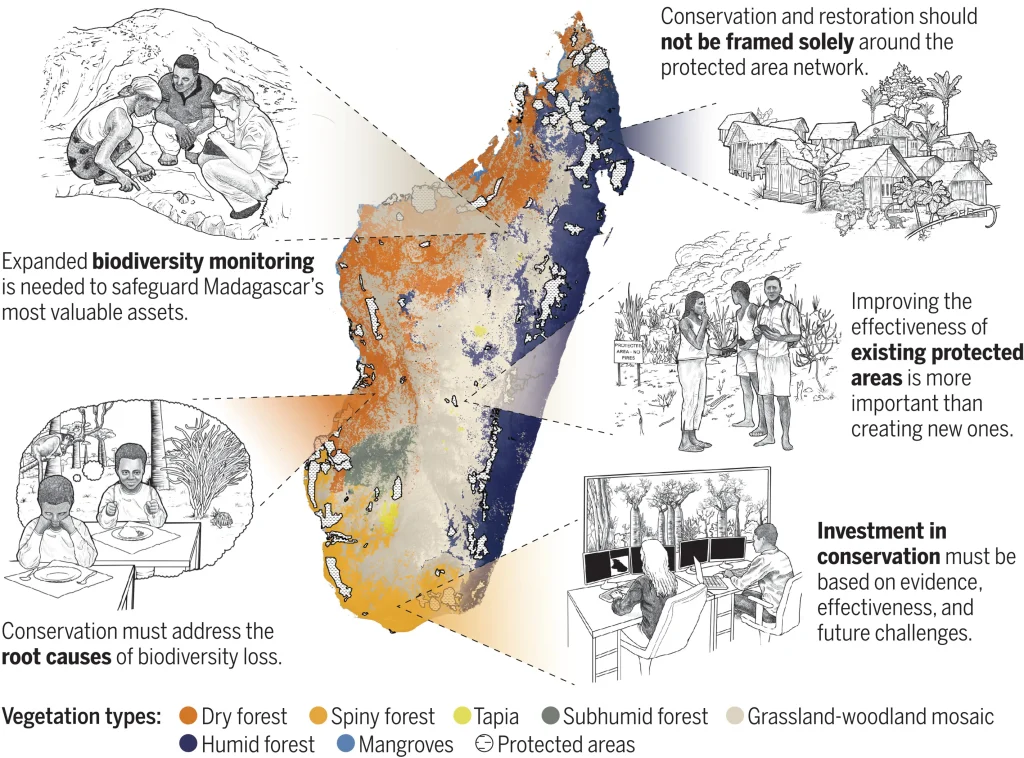
Furthermore, Madagascar has recently sought to enhance its role in global issues such as combating climate change and promoting biodiversity conservation. This global engagement is critical, as Madagascar faces tremendous environmental challenges, including deforestation and loss of biodiversity, which have global implications.
Regional Relations of Madagascar
Madagascar, the fourth largest island in the world, is located off the southeastern coast of Africa in the Indian Ocean. It is renowned for its unique biodiversity and rich cultural heritage, which are shaped by the complex interactions of its history, geography, and demographics. This essay delves into Madagascar’s regional relations, exploring its political, economic, and social interactions with neighboring countries and regional organizations, as well as the implications of these relations on its development and international standing.
Historical Context
Madagascar’s regional relations are deeply influenced by its historical context. The island’s strategic location made it an essential node for trade routes between Africa, Asia, and Europe. In the early centuries, Arab traders established contact, followed by Portuguese explorers and colonial powers that shaped Madagascar’s political landscape. French colonialism began in the late 19th century, and it introduced a new framework for governance, economics, and education, significantly impacting Madagascar’s connectivity with regional states. After achieving independence in 1960, Madagascar’s foreign policy aimed at rebuilding national sovereignty while fostering collaborative ties with its neighbors.

Political Relations
Madagascar’s political relations in the region are characterized by its membership in various frameworks aimed at enhancing cooperation among African nations. As a member of the African Union (AU), Madagascar engages with continental politics, addressing issues of governance, economic development, and security. The island has faced its share of political instability, most notably the political crises in 2002 and 2009 that led to international interventions and concern regarding democratic governance. The AU and the Southern African Development Community (SADC) played crucial roles in mediating conflicts and advocating for inclusive dialogue among Malagasy political factions.
Moreover, Madagascar has been a part of the Indian Ocean Rim Association (IORA), which emphasizes economic cooperation, maritime security, and cultural exchange among countries bordering the Indian Ocean. The organization fosters dialogues on critical issues such as fishing rights, environmental concerns, and trade facilitation, thereby strengthening Madagascar’s regional ties and promoting partnerships with countries like South Africa, India, and Mauritius.
Economic Relations
Economic dimensions are paramount in Madagascar’s regional relations, focusing on trade agreements and investment opportunities. The country’s economy relies heavily on agriculture, tourism, and natural resources, which provide avenues for engagement with neighboring states. Madagascar primarily exports vanilla, cloves, and lychees, primarily targeting markets in Europe and Asia, but it also seeks to diversify its economic ties with African countries.
The African Continental Free Trade Area (AfCFTA), which came into effect in 2021, offers Madagascar a framework for enhancing intra-African trade. By reducing tariffs and removing trade barriers, Madagascar can access larger markets and utilize its agricultural and mineral resources more effectively. Countries like Tanzania and Mozambique, which also share similar economic structures, present prospects for boosting regional trade and cooperation in the agricultural sector.
Investment partnerships are also forming, with countries leveraging Madagascar’s abundant natural resources. For instance, Chinese investments in infrastructure and energy projects are expanding, contributing to the economy while raising concerns about environmental sustainability and debt. Engaging with India and South Africa in sectors such as telecommunications and mining further exemplifies the growing economic interdependence in the region.
Environmental and Social Relations
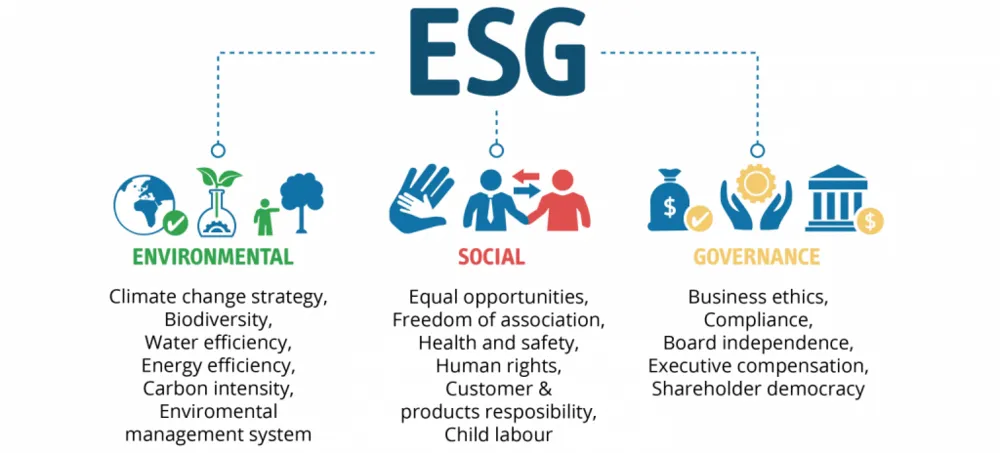
Madagascar’s unique biodiversity and environmental challenges necessitate collaboration with neighboring nations to address transnational issues such as deforestation, wildlife conservation, and climate change adaptation. The island is home to an array of endemic species and ecosystems that are under threat from human activity and natural disasters. Efforts to protect these resources often involve regional cooperation, as many environmental issues transcend national borders.
Collaborative initiatives supported by regional organizations like the Indian Ocean Commission (IOC) promote sustainable development goals and environmental conservation. The commission facilitates projects aimed at preserving marine resources and ecosystems, recognizing how climate change disproportionately affects small island states like Madagascar. Participation in international treaties, such as the Convention on Biological Diversity (CBD) and the Paris Agreement, further demonstrates Madagascar’s commitment to global environmental governance, highlighting its role in regional and global discourses on sustainability.
Cultural Relations
Culturally, Madagascar shares various elements with other neighboring countries, influenced by centuries of migration, trade, and cultural exchanges. The island’s cultural ties to Africa and Asia reflect a rich tapestry that blends traditions and practices. Regional relations are strengthened through cultural festivals, exchanges, and educational initiatives that celebrate shared heritage and foster understanding among nations.
Furthermore, Madagascar is a melting pot of ethnic groups, making it a unique case study for social cohesion and cultural diplomacy. Engaging with countries in the Indian Ocean region and larger African context, the Malagasy people actively participate in cultural exchanges that promote mutual respect and appreciation of diversity.
Challenges and Opportunities
Despite the promising outlook for regional relations, Madagascar faces several challenges that hinder the full realization of its potential in the region. Political instability, economic volatility, and environmental degradation consistently pose significant barriers to sustainable development. Moreover, the global impact of the COVID-19 pandemic has exemplified the vulnerability of Madagascar’s economy, revealing how intertwined and reliant nations are on each other’s resilience.
In light of these challenges, opportunities for strengthening Madagascar’s regional relations abound. Continued investment in infrastructure, education, and health can bolster not only Madagascar’s domestic capabilities but also enhance its competitive position within the region. Establishing collaborative frameworks for sharing knowledge, technology, and resources can help Madagascar navigate its challenges while contributing positively to the regional agenda.
Conclusion
In summary, the foreign relations of Madagascar are a multifaceted reflection of its historical context, regional dynamics, and global positioning. Navigating the complexities of diplomacy, Madagascar has made strides in establishing key partnerships while encountering various challenges, including political instability and economic dependence. As the island continues to engage with international actors, it must balance its sovereign interests with the realities of an interconnected world, particularly in addressing climate change and sustainable development. Ultimately, Madagascar’s foreign relations will continue to evolve as it seeks to assert its identity and sovereignty on the global stage while contributing to regional stability and prosperity.